Zero Waste Lifestyle: The Habit Most Guides Miss - And How Expiry Tracking Fills the Gap
Most zero waste advice misses the waste hiding in your fridge and cabinet. Learn how tracking expiry dates is the easiest zero waste habit you're not doing.
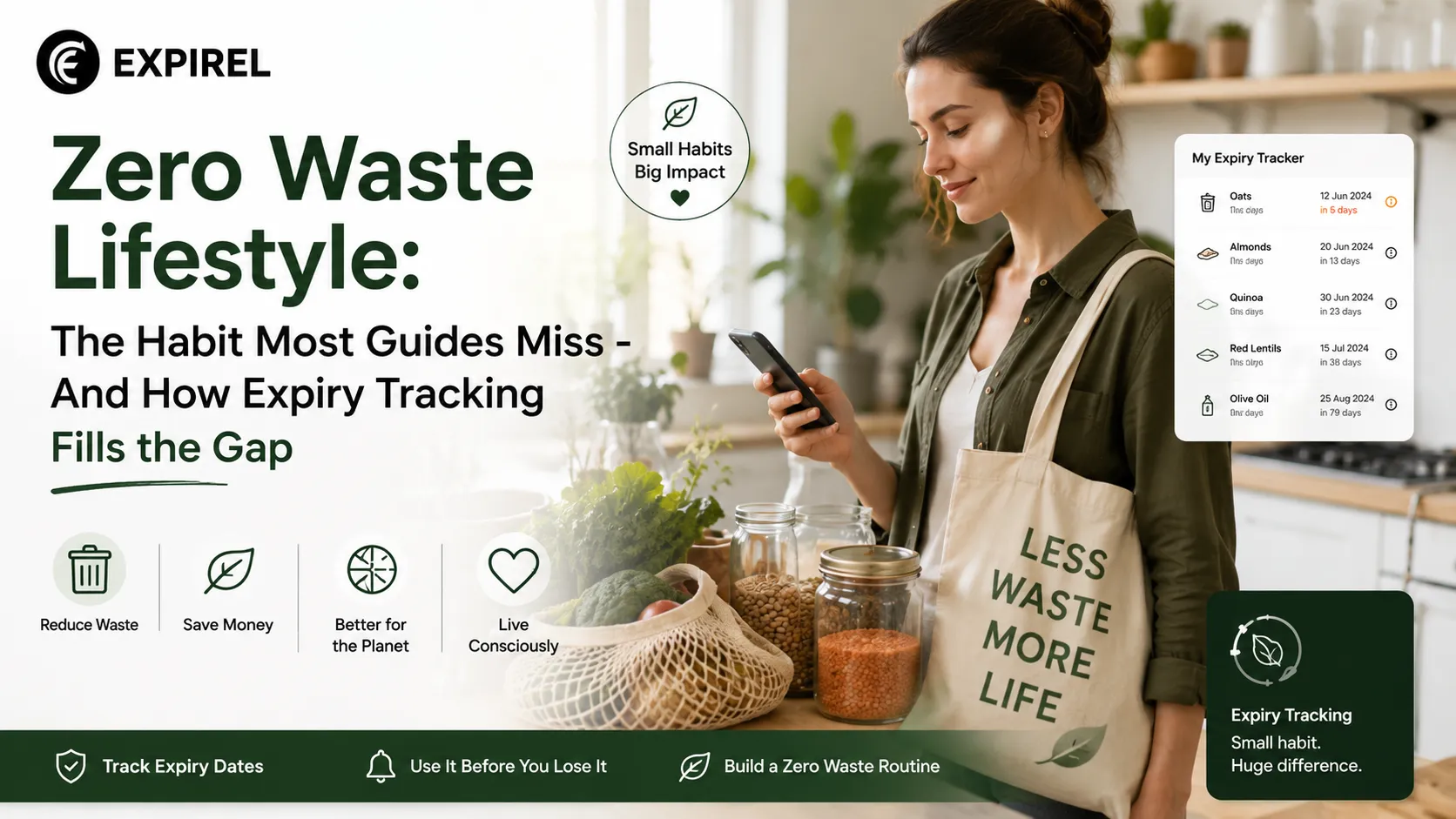
Every zero waste guide tells you to buy a reusable water bottle. A few tell you to start composting. The better ones cover meal planning and bulk buying. What almost none of them cover is the waste that's already in your home, happening quietly every week.
The yogurt at the back of the fridge. The antibiotics from last winter. The supplement bottle you opened in January. The streaming subscription that was renewed three months ago for a service you stopped using.
This is expired waste, and it's responsible for a significant portion of what households throw away each year. Unlike plastic packaging, expiry waste is 100% preventable. You don't need to change what you buy. You need a system to track what you already have.
This guide covers both practical zero-waste habits that genuinely work and the specific expiry tracking with habit tracker system that handles the waste category everyone else skips.
What is a zero waste lifestyle?
A zero waste lifestyle aims to minimize the waste a household sends to landfills through conscious consumption, product reuse, and active waste prevention. One of the most overlooked and highest-impact zero waste practices is expiry date tracking monitoring food, medicine, subscriptions, and household products before they expire and get discarded. Free tools like Expirel make this trackable in under 5 minutes.
What Zero Waste Living Actually Means in 2026
Zero waste is not about producing literally zero waste; very few people achieve that, and the expectation is counterproductive
The practical goal: reduce what goes to landfill through conscious choices about consumption, reuse, and disposal
The 5 Rs framework (Refuse, Reduce, Reuse, Recycle, Rot/Compost) covers briefly, do not spend more than 4–5 sentences on this, since every competitor over-covers it
In 2025, zero waste has expanded beyond plastic reduction into household system thinking, tracking what you have, using it before it expires, and buying only what you need
The 5 Rs cover the consumption side of waste. What they rarely address is the management side of what happens to the things you've already bought and brought home.
The Hidden Waste Problem Nobody Talks About - Expired Products
American consumers lose approximately $728 per person every year to food waste alone, a figure the EPA updated in September 2025, nearly doubling previous estimates. For a family of four, that's nearly $3,000 annually in food that was purchased, brought home, and thrown away before it was eaten. A significant share of that waste comes directly from items that expired before anyone noticed.
Food waste is the most visible category, but it isn't the only one:
Food Expiry Waste: The average household discards dairy, produce, leftovers, and pantry items regularly because they went bad without warning, but because nobody tracked when they were opened or when they expire. A simple reminder 3 days before a food item expires turns a wasted item into tonight's dinner.
Medicine and Supplement Expiry: Expired medicines don't just represent wasted money; some active ingredients degrade into compounds that are less effective or, in certain drug categories, potentially unsafe. Most households keep medicines well past their expiry dates because there's no visible system to flag them.
Cosmetics and Personal Care: Opened moisturisers, sunscreens, and skincare products carry Period After Opening (PAO) dates, the symbol showing how many months after opening they remain effective. Most people ignore these entirely. Expired sunscreen, in particular, loses its UV protection factor without any visible sign of spoilage.
Subscriptions and Memberships: The average household pays for at least one subscription they have forgotten about or stopped using. Unlike food, subscriptions don't expire; they renew silently until someone actively cancels. Tracking renewal dates is zero waste applied to digital spending.
Collectively, these categories represent waste that no amount of reusable bag use or composting can address. They require a different kind of system one built around awareness of dates, not materials.
7 Practical Zero Waste Lifestyle Tips That Actually Make a Difference
Track Expiry Dates Before You Buy More
The most effective zero waste kitchen habit is also the least discussed: knowing what you already have and when it expires before buying more. Most households overbuy because they can't see their inventory clearly. A quick expiry audit of your fridge and pantry before each grocery run cuts both food waste and grocery spending simultaneously.
Use the First-In, First-Out Method for Pantry and Fridge
When you bring new groceries home, move older items to the front and place newer items behind them. This is the same stock rotation system professional kitchens use. It takes 2 minutes per grocery run and reduces fridge waste by ensuring older items get used before newer ones. The method only works, however, if you know when the "older items" actually expire, which is where date tracking becomes essential.
Set Expiry Reminders for Everything, Not Just Food
Most people set reminders for bills and appointments, but not for physical household items. Medicine cabinets hold items expired years ago. Skincare products sit unused past their PAO dates. Warranties lapse without the owner realising they could have claimed a repair. A single reminder system that covers all dated household items, not just food, is the systemic upgrade most households haven't made.
Buy Only What You Can Use Before It Expires
Bulk buying saves money per unit but costs more overall if items expire before use. Before buying in bulk, ask one question: Will this be fully used before its expiry date? For non-perishables with 12+ month shelf lives, bulk buying is genuinely waste-reducing. For fresh produce, dairy, or high-turnover items with shorter windows, buying only what you need for the week produces less waste regardless of the per-unit price.
Plan Meals Around What's About to Expire
Meal planning is widely recommended but rarely practised consistently. The version that actually works is expiry-first meal planning: check what in your fridge and pantry expires soonest, and build that week's meals around those items. This produces less food waste than planning meals first and then shopping for ingredients, because it uses what you already have rather than adding to it.
Organize Your Pantry by Expiry Date
A pantry organised by category (pasta with pasta, canned goods together) looks tidy, but doesn't prevent waste. A pantry organised by expiry date, with items expiring soonest at the front, prevents waste actively. This is a one-time reorganisation that takes under 30 minutes and pays off every week for months.
Build Checking as a Weekly Habit
Every zero-waste system breaks down without a maintenance habit. Schedule one 10-minute weekly check-in — Sunday evening works well for most households — to review what expires in the next 7 days. This single habit creates the feedback loop that keeps everything else working. Without it, the best pantry organisation and the best expiry tracker will drift back to inaction within weeks.
How Expirel Makes Expiry Tracking a Zero Waste System
Building a zero waste kitchen routine requires one thing the 5 Rs don't mention: a memory. Human memory is not reliable for expiry dates across a full household especially across food, medicine, cosmetics, and subscriptions simultaneously. This is exactly the problem Expirel was designed to solve.
What Expirel does for zero-waste households
Expirel is a free, web-based app that tracks expiry dates across every household category alongside daily habits. It replaces the mental load of remembering dates with an automatic notification system that fires before items expire not after.
Expiry Tracking for Every Category
Food and pantry items: add by barcode scanner or manual entry. Set reminders 3–7 days before expiry so items get used, not discarded
Medicine and supplements: track every item in your medicine cabinet with expiry dates and receive alerts before they degrade
Cosmetics and skincare: log Period After Opening dates alongside product expiry dates
Subscriptions: track renewal dates for every service and get reminders before auto-renewal charges you for something you no longer use
Documents and warranties: passport, insurance, driving licence, appliance warranties, all managed in the same dashboard
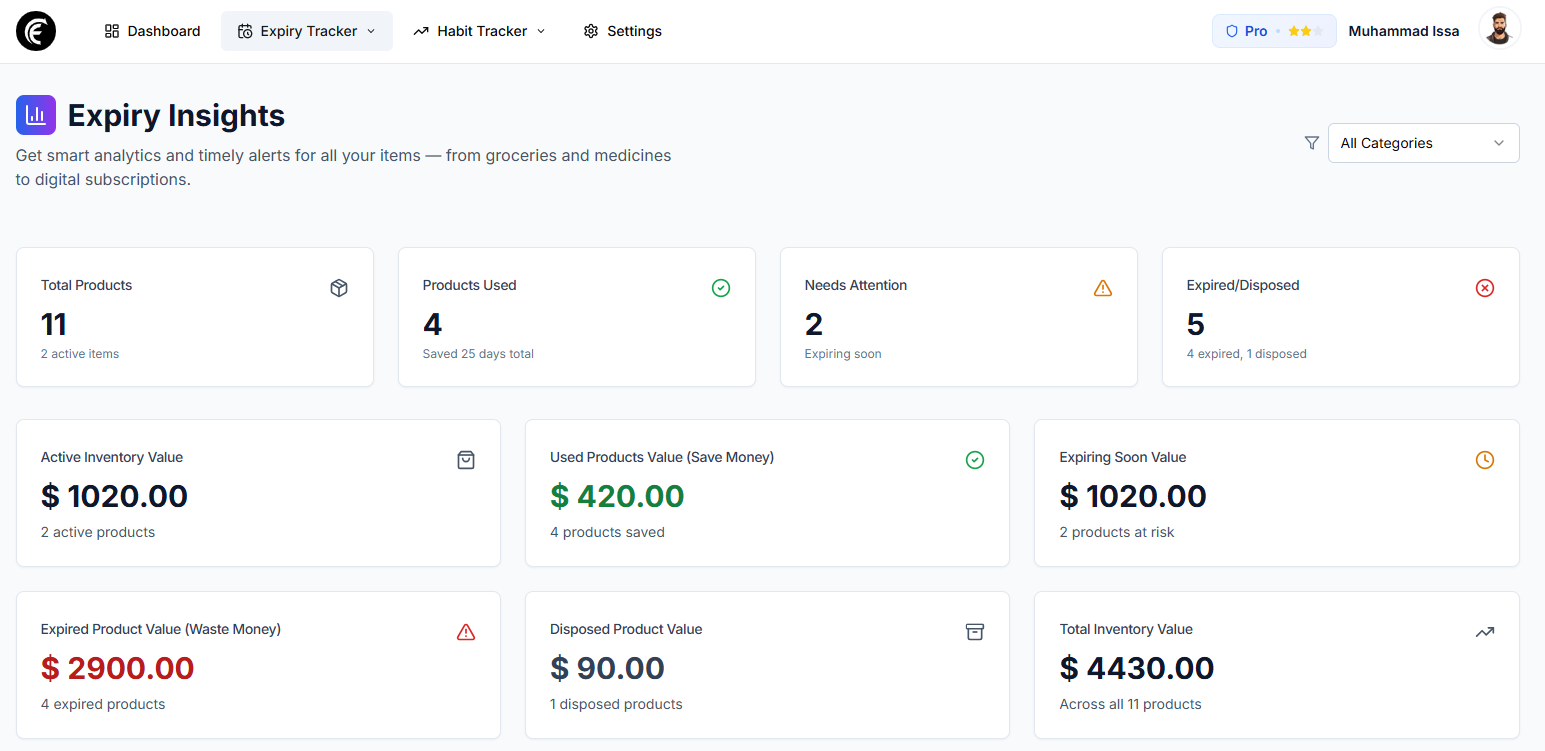
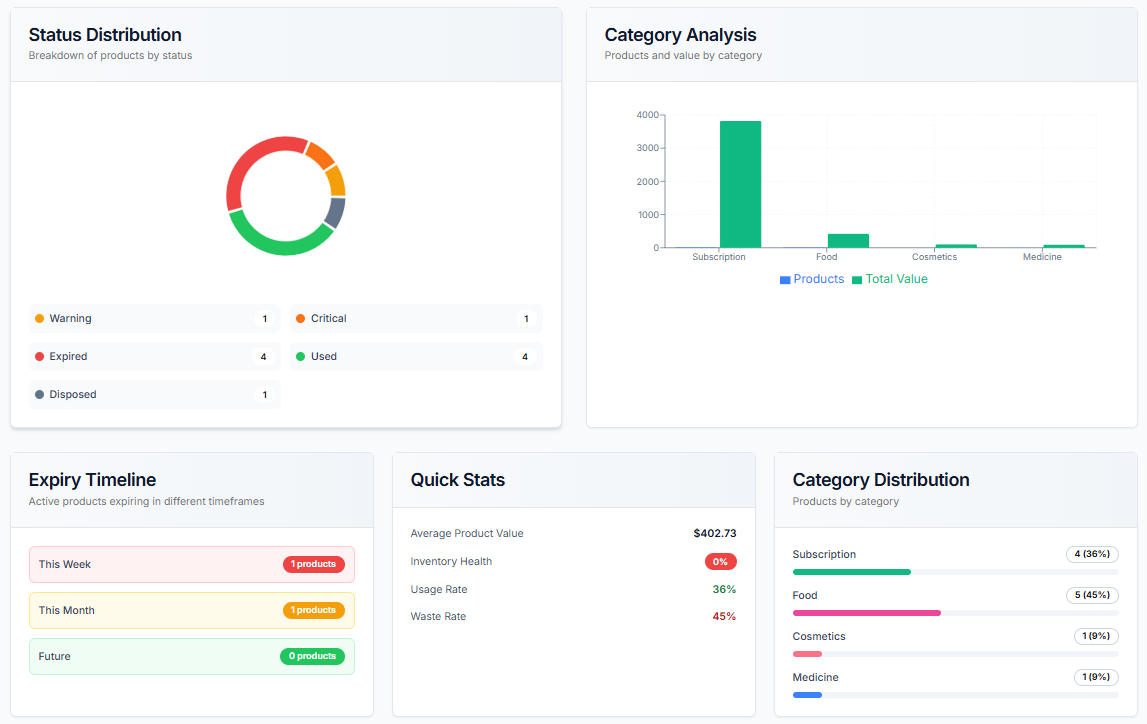
WhatsApp Reminders That Cut Through Notification Blindness
Standard push notifications get dismissed. Expirel's WhatsApp reminders reach users through a channel with significantly higher open rates, which matters when the reminder is about food expiring today rather than tomorrow.
Habit Tracking Alongside Expiry Management
The weekly expiry check-in habit described above is something you can track directly inside Expirel. Create a recurring habit called "review expiring items" Expirel tracks your streak, sends reminders, and rewards consistency with XP and achievement badges. This closes the behavioural loop: the tool reminds you, the habit locks in the behaviour, and the system sustains itself.
"At Expirel, we built the app because we noticed that the gap between knowing something expires and actually doing something about it is almost always a notification problem. The item is right there. The date is visible. But without a system that surfaces the right information at the right moment, most people act too late."
The Financial Case for Zero Waste Living
EPA research updated in September 2025 found the average American consumer loses $728 per year to food waste, nearly double previous estimates, and a family of four loses close to $3,000 annually
Missed subscription renewals, lapsed warranties, and expired medicines add further financial losses that are entirely preventable
Buying in bulk to save money backfires when items expire before use the per-unit saving is erased by the total loss
A household that actively tracks expiry dates and plans consumption around them realistically saves several hundred dollars per year without changing its lifestyle in any other significant way
Zero waste is not an expense it is a system for recovering money you are currently wasting without realising it
The most accessible financial optimization most households haven't made isn't a budget app or a savings account. It's knowing what's about to expire before it does.
Common Zero Waste Mistakes That Create More Waste Than They Prevent
Mistake 1: Buying "zero waste" products in bulk before testing them. Purchasing a large quantity of a reusable product shampoo bars, silicone bags, bamboo toothbrushes before knowing whether you'll actually use them creates waste when they sit unused or get discarded after one try.
Mistake 2: Composting as an excuse to overbuy. Composting is genuinely valuable, but treating it as a safety net for food that could have been eaten first defeats its purpose. Compost should capture unavoidable organic waste peels, cores, grounds not food that expired because it was forgotten.
Mistake 3: Ignoring non-food expiry categories. Most zero waste effort focuses on food and plastic. Medicine cabinets, bathroom shelves, and subscription stacks go unexamined. The waste in these categories is quieter but often more expensive.
Mistake 4: Aiming for perfection and abandoning when it fails. Perfectionism kills progress in zero waste living small wins stack, and progress consistently beats purity as a long-term strategy. A household that prevents 60% of its expiry waste is making a meaningful environmental and financial contribution. Zero is the wrong target.
How to Start a Zero Waste Kitchen in 10 Minutes
Starting a zero waste kitchen doesn't require a pantry overhaul or a new set of containers. It starts with knowing what you have and when it expires. Here's how to set that up in 10 minutes:
Do a quick expiry audit: open your fridge, pantry, and medicine cabinet. Pull out anything with a visible expiry date and group items by the month they expire.
Open Expirel: at expirel.com no download, no app store. Create a free account in under 60 seconds.
Scan or enter your first items: use the barcode scanner for packaged goods or enter items manually. Start with whatever expires soonest.
Set reminder timing: 3–5 days for fridge items, 7 days for pantry, 14–30 days for medicine and personal care products.
Create a weekly review habit: Inside Expirel, add a recurring habit called "check expiring items." Set a WhatsApp or push reminder for Sunday evening.
Most households complete this setup in under 10 minutes. From that point forward, the app surfaces the right information automatically no mental effort required.
CONCLUSION
Zero waste living isn't a single behavior change. It's a system of habits that work together to reduce what you discard before you've gotten value from it.
Most guides cover the outside-facing habits: what you buy, how you package it, where it goes after you're done. The inside-facing habits what's already in your home, when it expires, and whether you'll use it before it does get a fraction of the attention despite representing a significant share of household waste.
Building that system doesn't require a new lifestyle. It requires a 10-minute setup and a tool that sends you the right reminder at the right time.
Start with Expirel this is free, no download, works in any browser. Your first expiry item takes 30 seconds to add. The yogurt in the back of your fridge is waiting.
Frequently Asked Questions
Q: What is a zero waste lifestyle?
A zero waste lifestyle is a conscious approach to reducing the amount of waste a household sends to landfills. It involves refusing unnecessary items, reducing consumption, reusing products, recycling responsibly, and preventing waste before it happens. One of the most practical and overlooked zero waste strategies is tracking expiry dates on food, medicine, subscriptions, and household products to prevent items from being discarded unused.
Q: How do I start a zero waste lifestyle at home?
Start with a trash audit spend 10 minutes identifying where your household waste actually comes from. For most households, a significant portion comes from expired food and forgotten products. Set up an expiry tracking system for your fridge, medicine cabinet, and pantry, then layer in other zero waste habits like the first-in-first-out method and expiry-first meal planning. Use a free tool like Expirel to make expiry tracking automatic.
Q: How can I reduce food waste at home?
The most effective food waste reduction strategies are: tracking expiry dates and setting reminders before items expire, planning meals around what's about to expire rather than buying new ingredients, using the first-in-first-out storage method, and buying only what you can use before the expiry date. An expiry reminder app removes the memory burden and makes these habits automatic.
Q: Why should I track expiry dates for zero waste living?
Tracking expiry dates prevents the most common form of household waste: items purchased and discarded before being used. The EPA estimates the average American loses $728 per year to food waste alone. Medicine, cosmetics, subscriptions, and warranties represent additional categories of expiry waste that tracking prevents. Unlike plastic reduction, expiry tracking requires no lifestyle change just a notification system that surfaces the right information at the right time.
Q: Does an expiry tracker actually help reduce waste?
Yes, directly. An expiry tracker removes the primary cause of expiry waste forgetting. When you receive a reminder that yogurt expires in 3 days, you use it. When you receive a reminder that a supplement expires next month, you prioritize it. Without the reminder, most items expire unnoticed. Expirel provides this tracking free, covering food, medicine, subscriptions, warranties, and any other dated household item.
Q: What household products should I track for expiration?
Track food and pantry items (dairy, produce, packaged goods, condiments), medicines and supplements, cosmetics and skincare products (using Period After Opening dates), subscriptions and memberships, warranties on appliances and electronics, and important documents like passports, insurance policies, and driving licences. Expirel manages all of these in one free dashboard with automatic reminders.
Q: Is zero waste living expensive?
Zero waste living typically saves money rather than costing more. Preventing food waste, avoiding lapsed subscriptions, catching warranty claims before they expire, and reducing unnecessary purchases all reduce household expenses. The upfront cost of reusable products is the only real expense, and it pays back quickly for items used daily. The financial saving from expiry tracking alone preventing $728 in annual food waste covers most other sustainable living investments.

Fahad Ahmad
Founder of EXPIREL · Digital Entrepreneur · Product Management Specialist
Fahad Ahmad is the founder of EXPIREL and a digital entrepreneur with over 10 years of experience in SaaS development, SEO, and digital product creation. He focuses on building practical solutions that help individuals and businesses manage product expiration dates, organize inventory, track habits, and improve daily productivity.
Through EXPIREL, Fahad shares actionable guides, product management tips, barcode scanning tutorials, and research-backed insights designed to help users reduce waste, stay organized, and make smarter decisions.
Related Articles
View all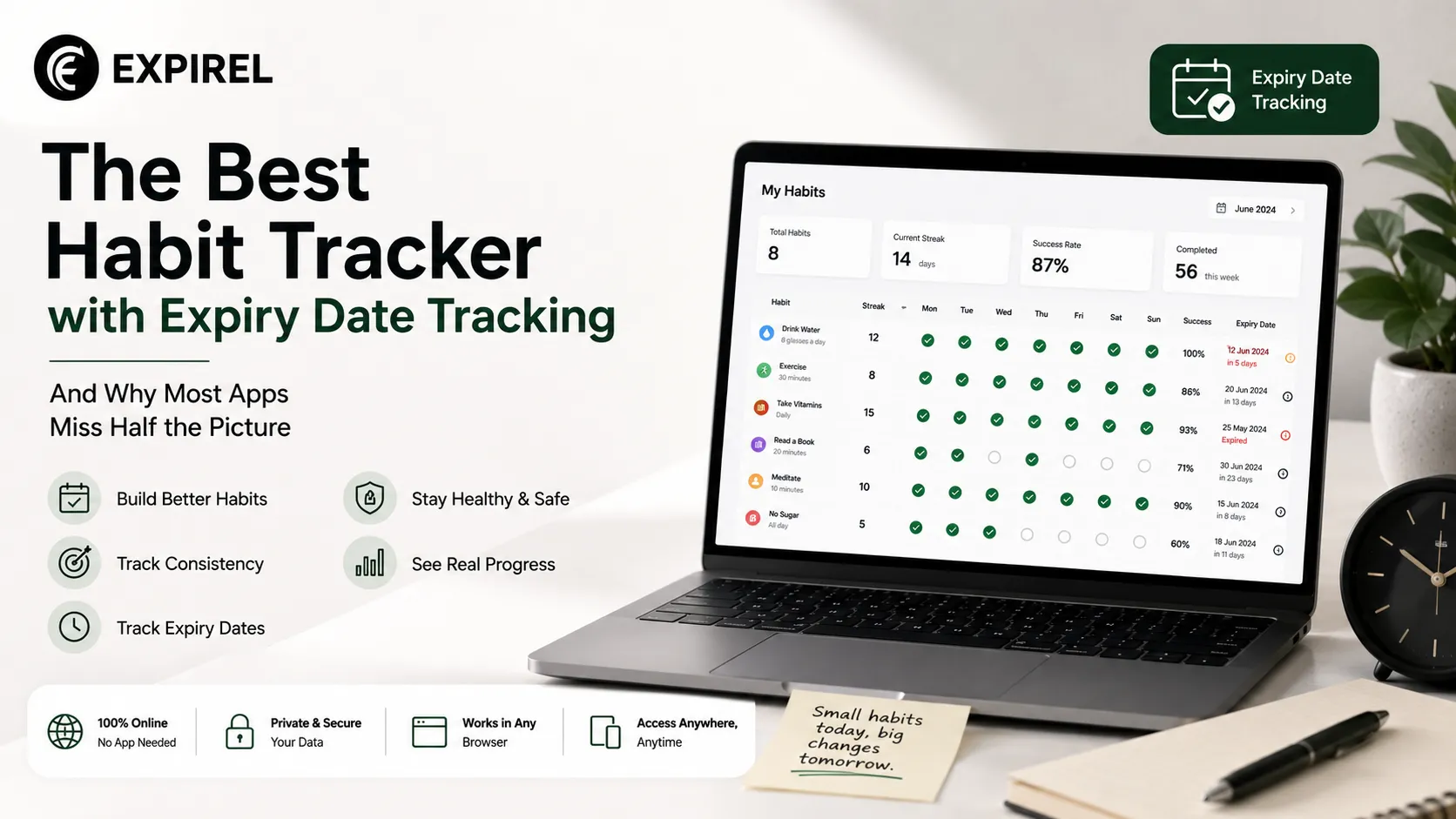
The Best Habit Tracker with Expiry Date Tracking - And Why Most Apps Miss Half the Picture
June 16, 2026
Most habit trackers ignore real life. Expirel tracks daily habits AND expiry dates like food, medicine, subscriptions, and freebies in one dashboard.
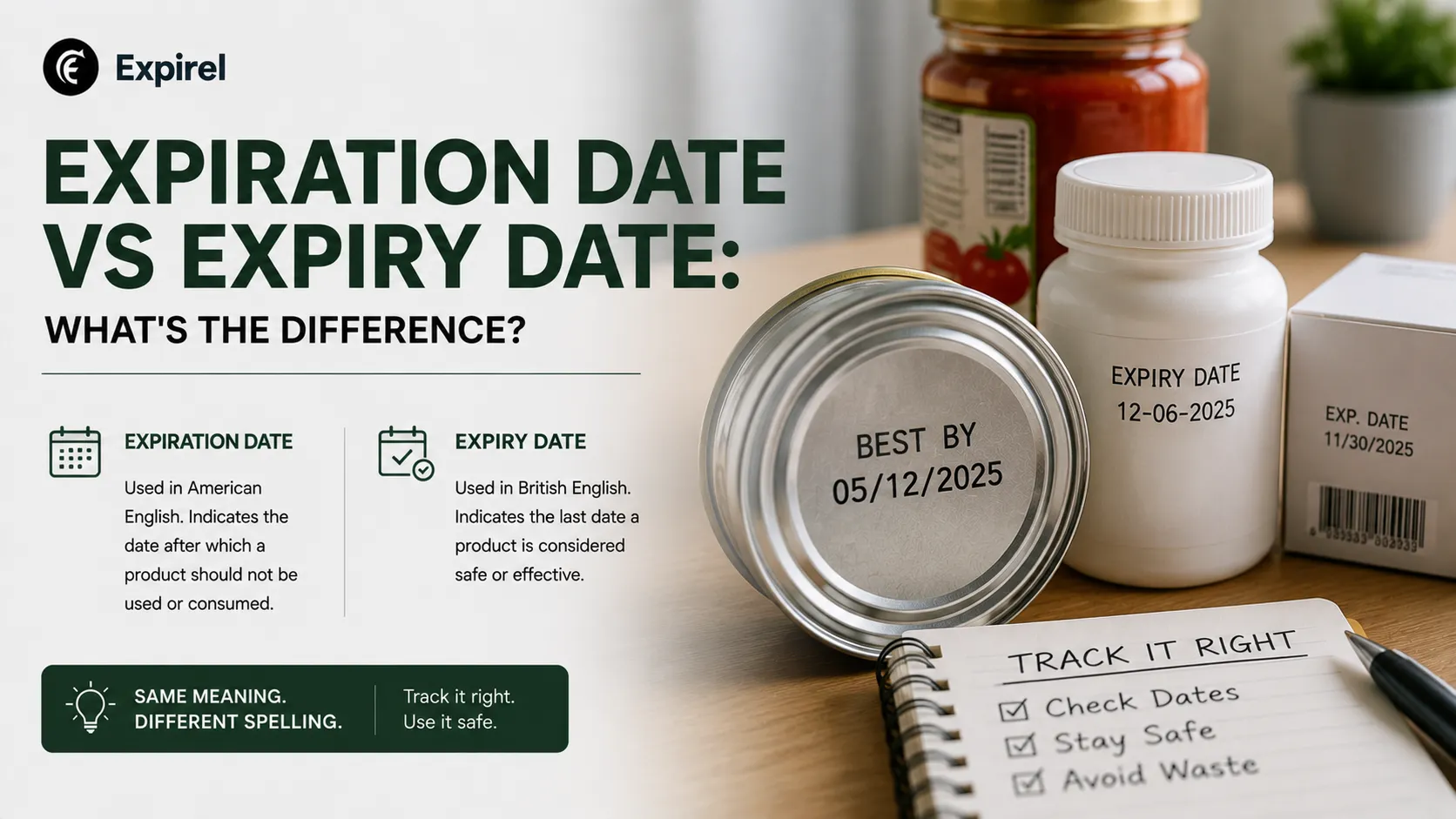
Expiration Date vs Expiry Date: What's the Difference?
August 10, 2026
Learn what expiration date and expiry date mean, differ by region (US vs UK), and how to track them with smart reminders so you waste less and save money.

Productive Dinner: The Evening Habit Behind Next-Day Productivity
July 19, 2026
Struggling to focus by 2pm? The problem might be last night's dinner. See the productivity diet, 4 quick meals, and exactly when to stop eating.