Crypto Mining Hardware Reuse: How to Get More Value From Old ASICs and GPU Rigs
Learn how to extend, repurpose, sell, or recycle old mining hardware. Includes a simple decision framework, maintenance checklist, and tracking tips.
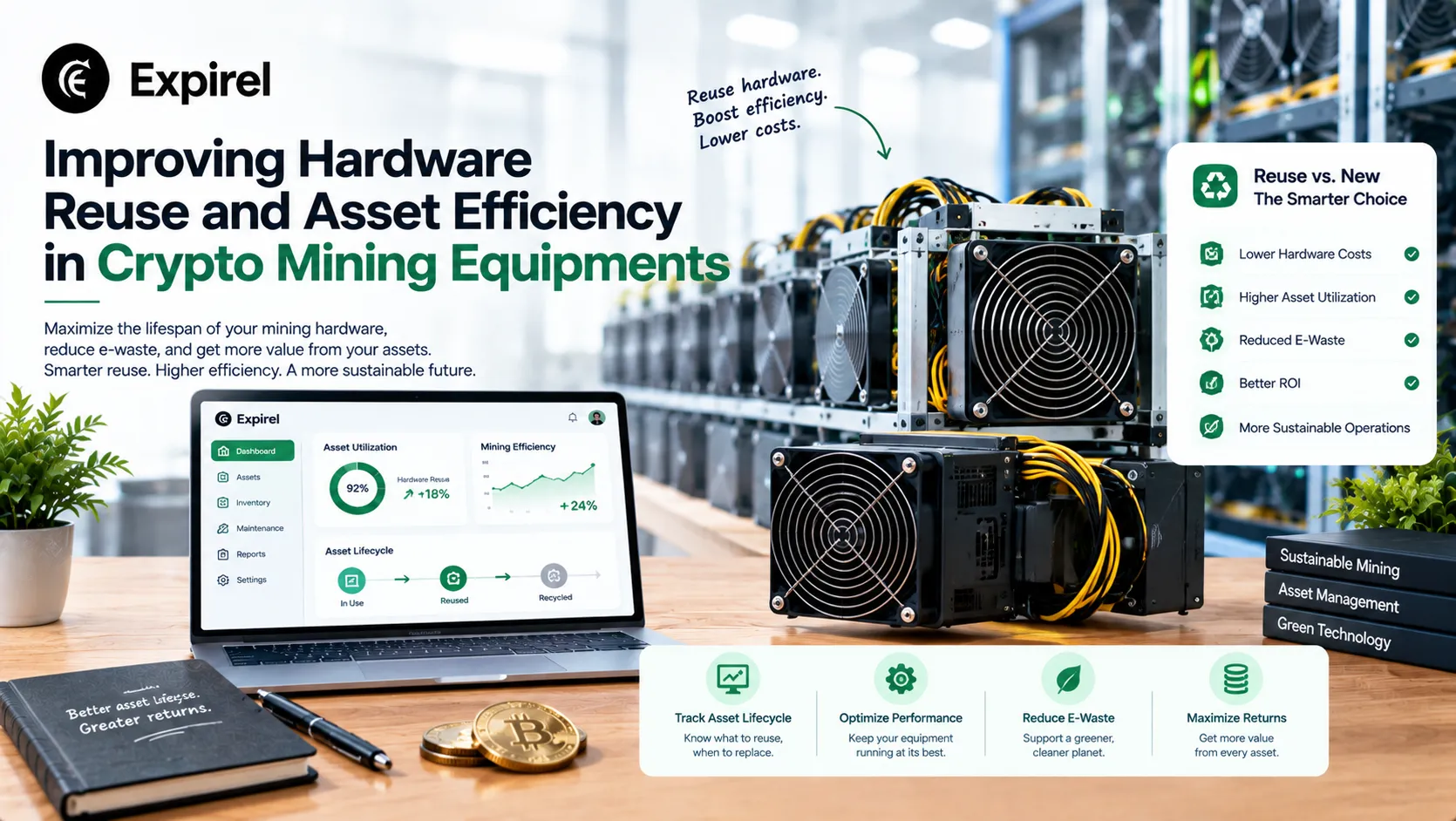
A mining machine rarely dies the moment it stops being profitable. It keeps running while it quietly costs more in power than it earns. That gap between "still works" and "still pays" is where many operators lose money.
Crypto mining hardware reuse means deciding early what each machine will do next: keep mining, get repaired, move to a new job, be sold, or be recycled. This guide shows you how to make that call with numbers instead of guesses.
Quick answer: Reuse works best when you track real power draw and revenue for each machine, set a sell or repurpose trigger in advance, and keep a maintenance routine that protects resale value.
Why Mining Hardware Becomes Outdated Before It Breaks
Most business IT gear gets replaced when it fails or ages out. Mining gear follows a different clock. Its useful life depends on efficiency, electricity price, coin price, network difficulty, repair cost, and the newer models on the market.
How Long Do ASIC Miners Last?
An ASIC is built to do one job: mine one algorithm as efficiently as possible. That focus makes it fast, but it also makes it fragile in economic terms.
A 2021 study of Bitcoin mining hardware, published in Resources, Conservation and Recycling, estimated that Bitcoin ASIC miners stay profitable for less than 1.29 years on average. Using that figure, the authors put the Bitcoin network's e-waste at about 30.7 metric kilotons a year as of May 2021. Treat these numbers as estimates for one network at one point in time. The study assumes a miner becomes waste once it turns unprofitable, and other researchers have questioned that assumption because obsolete miners often still sell or get recycled. That is exactly why a reuse plan matters.
Physical life is much longer than economic life. Well-maintained ASICs can keep hashing for years, and the Antminer S9 is the classic example of older hardware that stayed in use long after newer models arrived.
The lesson: physical life and economic life are different things. A miner becomes a liability when power, cooling, repairs, and hosting cost more than it earns.
How Long Do GPU Rigs Last?
GPUs give you more room to move. One card can mine, render video, run AI inference, or power a development workstation. A practical planning window is three to five years, depending on card generation, heat history, workload, and resale demand. Treat this as a rule of thumb, not a guarantee.
Resale value is usually strongest in the first few years. Later, you trade off fan wear, heat, stability, warranty status, and price. Because rigs are modular, you can swap fans, risers, power supplies, and single cards instead of scrapping the whole build.
How Does Efficiency Slip Over Time?
ASIC efficiency is measured in joules per terahash (J/TH). Lower is better. Here is a quick example with made-up numbers:
A miner pulls 3,250 W at the wall and produces 100 TH/s.
Efficiency: 3,250 ÷ 100 = 32.5 J/TH.
Real efficiency drifts upward when dust blocks airflow, fans slow down, thermal paste dries, or power supplies age. So track actual numbers instead of trusting the spec sheet:
Hashrate and wall power draw
Chip and inlet temperature
Fan speed
Rejected shares and error logs
Uptime
What Market Forces Push Hardware Out
Coin price, block rewards, network difficulty, transaction fees, power rates, and hosting costs all move together. A price drop can make older machines unprofitable within weeks. A rally can briefly lift used miner prices. That is why timing matters: idle machines lose resale value while they sit.
Large operators often win on cheap power and bulk maintenance. Smaller operators need stricter rules and clear exit points before machines become hard to sell.
A Simple Framework: Keep, Fix, Repurpose, Sell, or Recycle
Run this quick check for each machine:
Daily profit = daily revenue − power cost − cooling cost − pool and hosting feesExample: a 3.25 kW miner running 24 hours uses 78 kWh a day. At $0.07 per kWh, power alone costs $5.46 a day. If revenue is $5.00, you are already underwater before cooling. (These numbers are for illustration only.)
Then match the result to an action:
Situation | Best next step |
|---|---|
Profit is healthy, temperatures are normal | Keep mining and maintain on schedule |
Profit is thin, but faults are fixable | Repair or tune, then recheck |
Profit is thin because power is expensive | Underclock or move to cheaper power |
Profit is negative, machine still sells well | Sell now, before it loses more value |
GPU rig with weak mining returns | Repurpose for compute work |
Broken or too old to sell | Harvest parts, then recycle |
Write your trigger down before you need it. For example: "If profit stays below zero for 30 days, list the unit for sale." Rules made in advance beat decisions made in a panic.
Reuse Options by Equipment Type
Repurposing ASIC Miners
A Bitcoin ASIC built for SHA-256 cannot become a general computer. It can, however, mine other coins that use the same algorithm. Scrypt ASICs work with Scrypt coins, and other ASICs support their own algorithm families.
Before switching, check these:
Coin liquidity and pool availability
Network difficulty
Firmware compatibility
Your electricity cost
In cold climates, older miners can also work as space heaters. This only makes sense where heat demand is steady, power is cheap, and safety controls are in place.
Converting GPU Rigs to AI and Compute Work
GPUs move into new roles much more easily. Depending on memory and driver support, they can handle AI inference, rendering, video processing, simulation, and development environments. High-memory cards suit heavier AI and graphics jobs. Older cards can still serve testing, learning, or light inference.
Do not just drop the cards into a new case. First test:
Memory stability
Thermal behavior
Fan condition
Driver compatibility
Power delivery
Cards that ran hot for years often need cleaning, fresh thermal paste, or new fans before they are reliable outside a mining farm.
Turning Mining Heat Into a Useful Product
Miners turn almost all the electricity they use into heat. Liquid-cooled systems can move that heat into water loops, heat exchangers, greenhouses, or industrial processes. MintGreen, a Canadian company, states that its Digital Boilers recover more than 96% of the electricity used for Bitcoin mining as usable heat. Treat that as the company's own claim, not an independent measurement.
In 2021, the company announced a deal to supply recovered heat to the North Vancouver district energy system, which MintGreen's model illustrates. It also lists industrial uses, such as heating whisky barrels at a distillery.
Be realistic, though. Heat reuse needs engineering, safety controls, steady demand, and good local energy economics. Treat it as an infrastructure project built into the facility, not a quick fix.
Firmware Updates and Component Repairs
Repairs help when the math supports them. Manufacturer-approved firmware can improve stability and monitoring. Custom firmware can void warranties or cause instability, so use it only when you understand the risks.
Fans, power supplies, control boards, cables, thermal pads, and hash boards can often be replaced. Compare repair cost, expected remaining life, efficiency, resale value, and replacement cost. Some machines deserve a repair. Others should be sold before they lose more value.
Selling Old Mining Hardware
Used miners keep value for buyers with cheaper power, repair skills, or different goals. Some beginners also buy used units to learn before spending on new gear.
Price depends on model, hashrate, efficiency, condition, firmware, power supply, accessories, and market mood. Bull markets support higher prices, and bear markets cut them hard.
To make selling easier:
Keep serial numbers, purchase records, and repair history together
Clean units before listing
Test and record real hashrate and power draw
Sell before the next hardware generation floods the market
Big Data Supply runs a Used Mining Equipment Guaranteed Buyback Program for ASIC miners, complete rigs, and clusters. The company says it offers free value audits and chain of custody tracking, and that it holds R2v3 and RIOS certifications for electronics recycling. It handles both resale and recycling, which helps when a unit no longer suits active mining. As with any buyer, compare quotes before you decide.
Operating Habits That Protect Asset Value
Measure Power at the Wall
Electricity is often the highest cost. Dashboard estimates can be off, so measure wall power directly. Also count cooling: facility fans, pumps, chillers, and air conditioning change the true cost of each miner. Underclocking can cut power use while keeping much of the hashrate. The right setting depends on the model, power price, room temperature, and stability needs.
Pick a Pool That Fits Older Equipment
Pool choice affects payout consistency. Pay-per-share style models give steadier payouts, while other models bring more variance. Compare fees, payout thresholds, latency, stale share rates, reputation, and supported coins. When margins are tight, small losses add up.
Follow a Written Maintenance Schedule
Clean on a regular schedule, and clean more often in dusty or hot rooms. Inspect fans, heatsinks, filters, cables, connectors, and power supplies for wear. Thermal maintenance matters most, because heat hurts stability and can shorten component life. Watch chip temperatures, inlet temperatures, fan speeds, rejected shares, and error logs.
Document every task. Records help you spot repeat faults, compare units, and decide when repair stops making sense.
Pick a Cooling Method With Resale in Mind
Air cooling: simple and common, but it struggles in hot climates and dense setups.
Hydro cooling: supports higher density and heat reuse, but needs more planning and upkeep.
Immersion cooling: reduces fan problems and improves thermal stability, but needs compatible gear, special tanks, and careful fluid handling.
Weigh total cost, maintenance effort, and resale impact before switching.
Track Profit Live and Rotate Machines
Track hashrate, power cost, uptime, pool revenue, repair cost, cooling cost, and resale value. The most useful single number is often profit per unit of energy. Automated alerts can flag hot units, rejected-share spikes, or machines that need a reboot. The best time to recover value is before a unit becomes worthless.
Track Warranties, Service Dates, and Exit Deadlines With Expirel
Mining fleets often fail through missed dates, not only through weak hardware. Warranties lapse. Hosting contracts renew. A resale window closes. Cleaning gets skipped for a month.
This is where a simple tracker helps. Expirel is an expiry tracker with AI photo scan and email and WhatsApp reminders. Expirel does not monitor hashrate, so keep using your mining dashboard for that. Use Expirel for the dates and routines around the hardware:
Log each warranty. Snap a photo of the serial label or receipt with the AI scan, then add the warranty end date.
Set reminders before deadlines. Get an email or WhatsApp alert before a warranty, hosting contract, or return window ends.
Add your own exit date. For example: "review this unit's profit on the 1st and sell if it is still negative."
Build the maintenance routine as a habit. Use Expirel's habit tracker for weekly dust checks and monthly thermal inspections, so the schedule actually happens.
Even a home miner with three machines benefits, because dates are easy to forget and expensive to miss.
Reducing Mining E-Waste
Mining hardware creates real e-waste, and manufacturers have not built take-back programs at the scale seen in some other electronics sectors. That leaves operators to build their own disposal process.
Harvest parts. Fans, power supplies, control boards, hash boards, cables, heatsinks, and working GPUs can be reused or sold. Test each part, label it, and store working and failed parts separately.
Recycle responsibly. For equipment that cannot be reused, choose recyclers with recognized electronics standards, such as R2v3 or RIOS certification. Ask for asset-level documentation, downstream transparency, and secure handling of data-bearing parts. This matters most for GPU rigs and control systems that may hold configuration data, wallet information, or credentials.
Measure results. Track units sold, units redeployed, parts reused, material weight recycled, equipment kept out of landfill, and energy saved through heat reuse. Measure reuse and recycling separately, since reuse preserves more of the original manufacturing value.
Mining Hardware Reuse Checklist
Measure wall power and real hashrate for every unit
Calculate daily profit including cooling
Write your sell or repurpose trigger
Clean and inspect on a fixed schedule
Log warranty and contract dates with reminders
Keep serial numbers and repair records together
Test and label spare parts
Choose a resale or recycling partner before you need one
Conclusion
Old mining equipment does not have to become instant waste. ASICs can mine compatible coins, heat a space, or sell to the right buyer. GPU rigs can move into AI, rendering, or development work. Good monitoring, steady maintenance, and clear exit rules extend useful life and protect resale value.
Treat every machine as a managed asset with dates, numbers, and a next step. Decide early, act on schedule, and you will recover more value with less waste.
Frequently Asked Questions
Q: Can old ASIC miners be reused for something else?
They can mine other coins that use the same algorithm, provide heat in cold settings, or be sold or harvested for parts. They cannot become general computers.
Q: Can I use old mining GPUs for AI?
Often yes. Many cards handle inference, rendering, and testing well after cleaning and stability checks. Memory size and driver support decide which jobs fit.
Q: When should I sell a mining machine?
Sell when profit stays negative after power and cooling costs, and before a newer generation lowers resale prices. A written trigger makes this easier.
Q: Is mining heat reuse worth it?
It can be, where heat demand is steady and the system is engineered properly. It works best as part of facility design, not as an add-on.
Q: What should I do with hardware that no longer works?
Test and harvest usable parts first. Send the rest to a certified electronics recycler that documents handling and protects any stored data.

Fahad Ahmad
Founder of EXPIREL · Digital Entrepreneur · Product Management Specialist
Fahad Ahmad is the founder of EXPIREL and a digital entrepreneur with over 10 years of experience in SaaS development, SEO, and digital product creation. He focuses on building practical solutions that help individuals and businesses manage product expiration dates, organize inventory, track habits, and improve daily productivity.
Through EXPIREL, Fahad shares actionable guides, product management tips, barcode scanning tutorials, and research-backed insights designed to help users reduce waste, stay organized, and make smarter decisions.
Related Articles
View all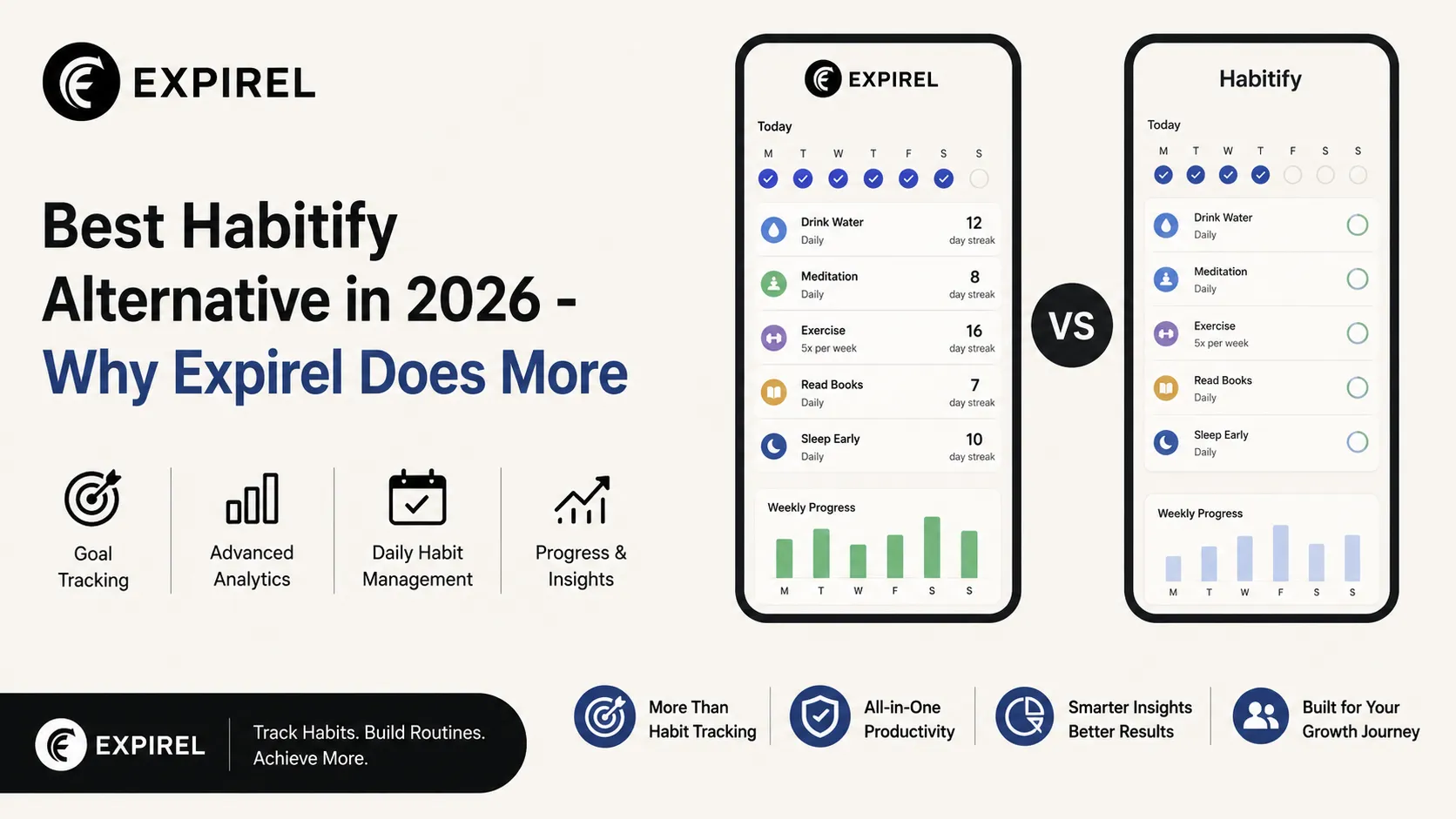
Best Habitify Alternative in 2026 - Why Expirel Does More
June 10, 2026
Habitify limits you to 3 habits on the free plan. Discover Expirel, the free habit and expiry tracker that does more, without the paywall.

The Benefits of Automating Routine Tasks in Research Laboratories
October 13, 2026
Learn how automating routine tasks in research laboratories saves scientist time, improves consistency, and cuts errors. Includes a simple framework to start.
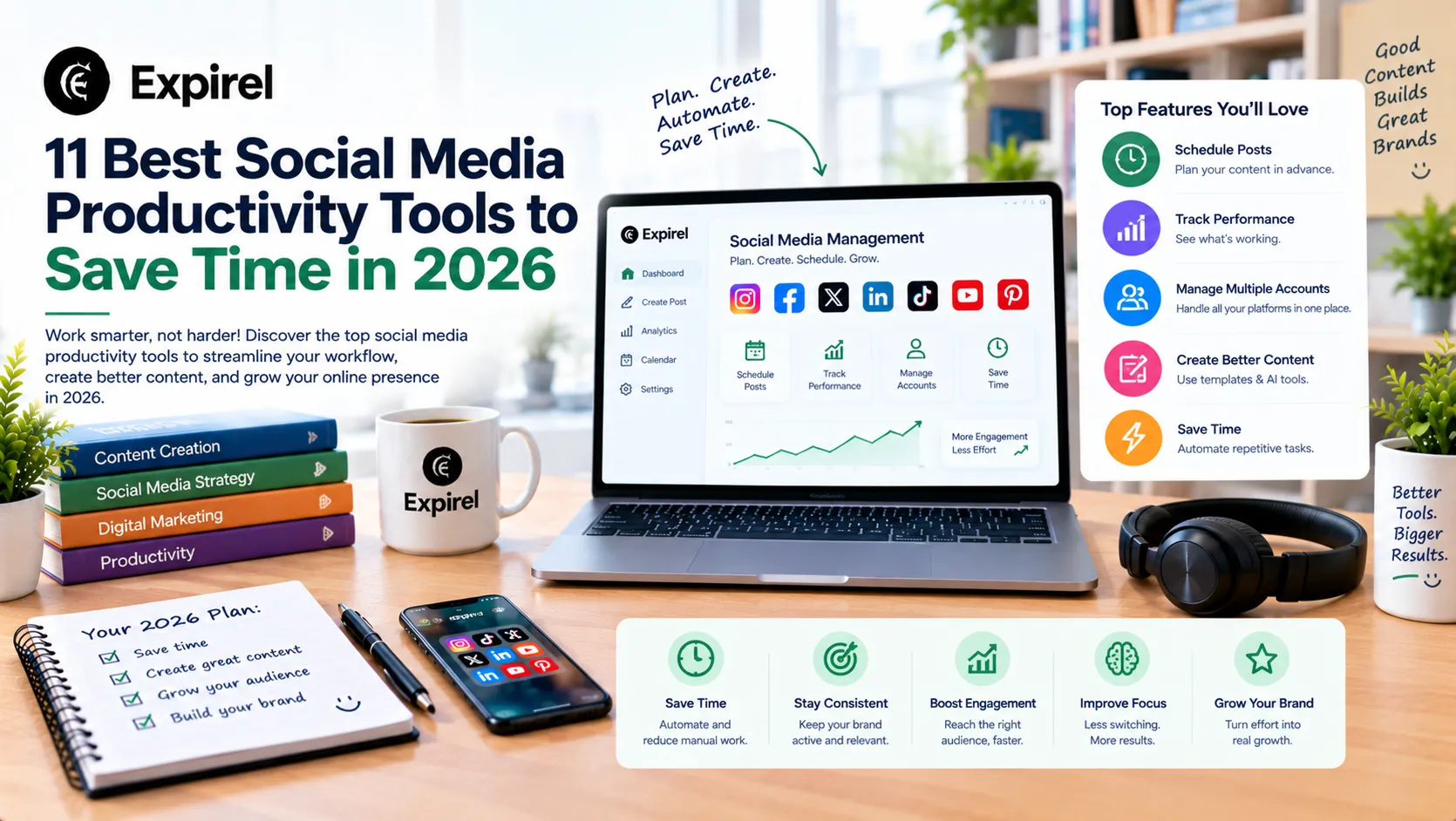
11 Best Social Media Productivity Tools to Save Time in 2026
October 12, 2026
Compare 11 social media productivity tools for 2026 that save time on routines, scheduling, design, automation, video, analytics, and link tracking.